Market Monday: Motion Studies
Eadweard Muybridge, "Locomotion: Man Running," 1887. Image credit: Fine Art America.
This week, a series of stories tracking people, works, and organizations on the move...
Read Moreshining a light on the shadowy fine art industry
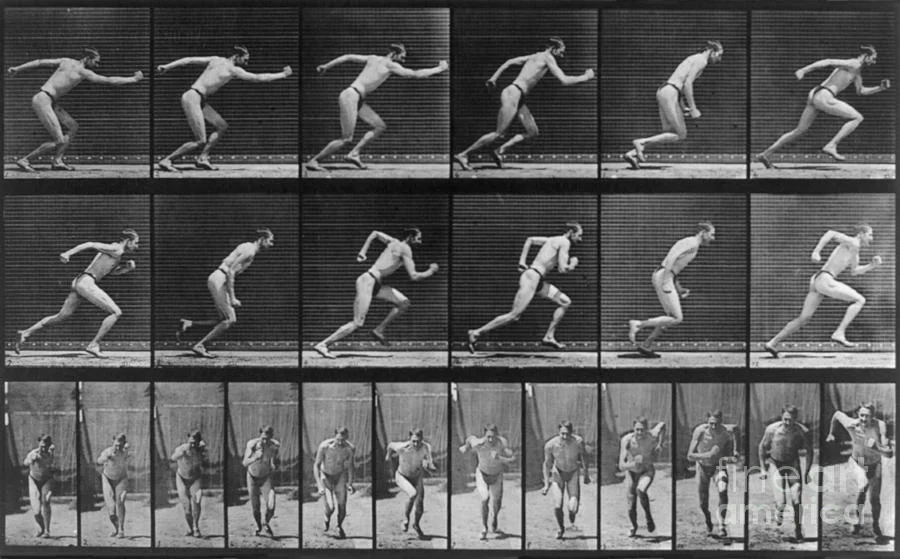
Eadweard Muybridge, "Locomotion: Man Running," 1887. Image credit: Fine Art America.
This week, a series of stories tracking people, works, and organizations on the move...
Read More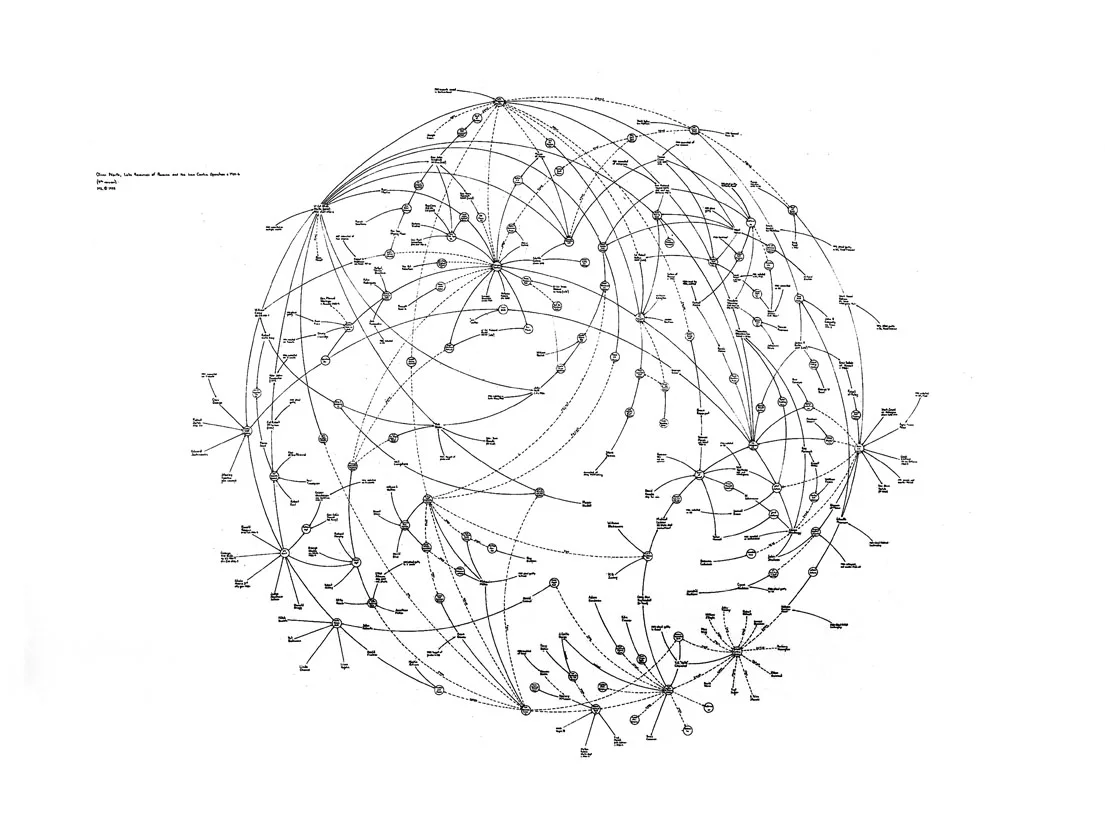
Mark Lombardi, "Oliver North, Lake Resources of Panama, and the Iran-Contra Operation, ca. 1984-86 (fourth version)," 1999. Image credit: BOMB.
Within the industry and academia, there's been plenty of recent talk about the need for increased regulation of the art market, particularly here in the US. The arguments have merit. Yet they also tend to jump directly from the current state of affairs to an idyllic future where all parties have settled into the new bureaucratic regime with no side effects. So every time I encounter one of these arguments, I wonder the same thing: What exactly happens during the transition phase?
I think Germany is now giving us all a decent preview of the answer––and that answer is "total panic."
Read More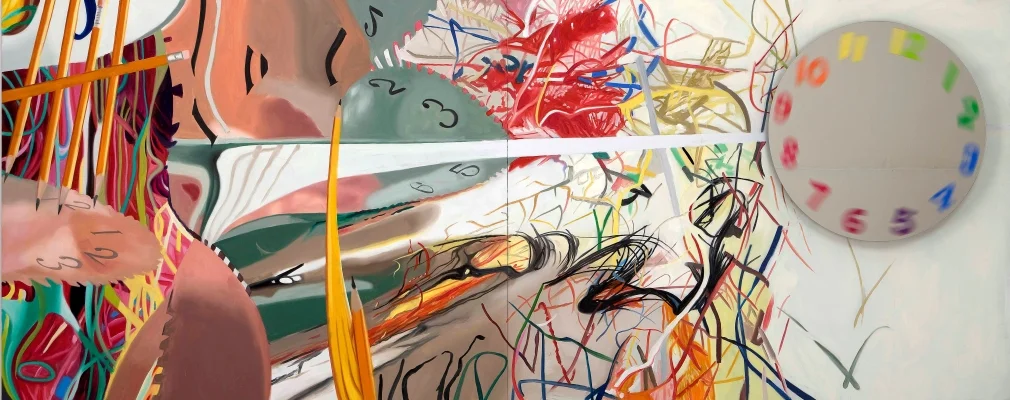
James Rosenquist, "Time Stops the Face Continues," 2008.
Image credit: Acquavella Galleries.
This week, a collection of developments that either take their cues from the past or anticipate the future...
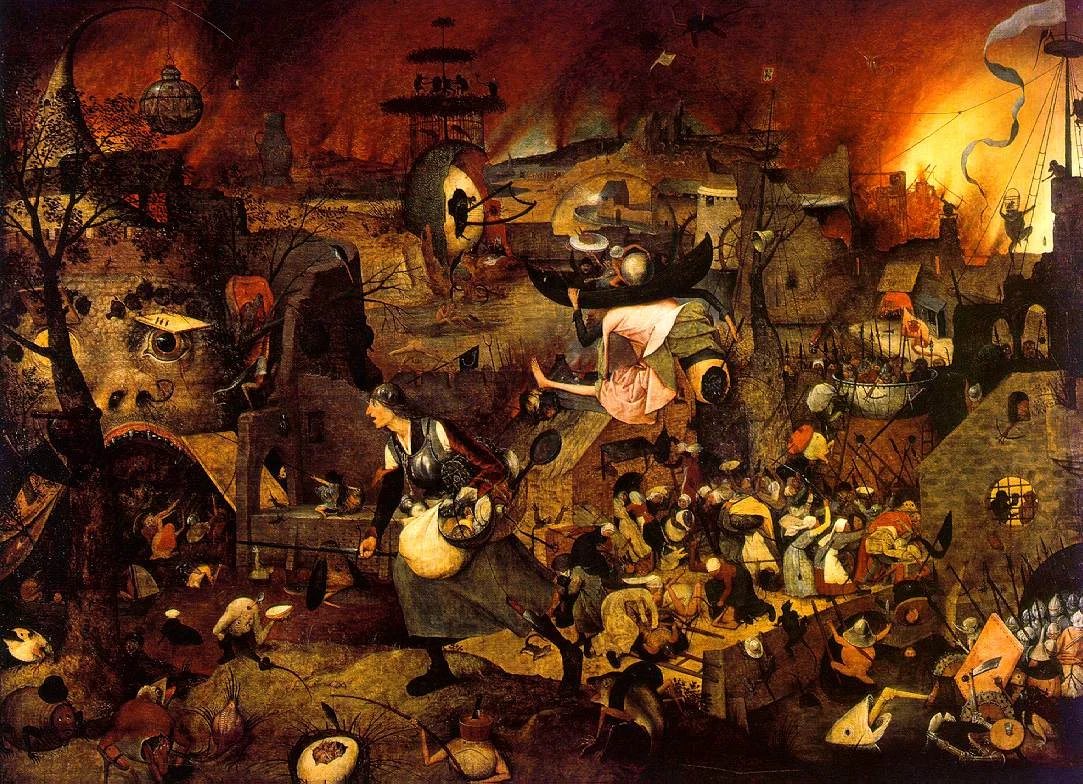
Pieter Brueghel the Elder, "Dull Gret," 1562. Image credit: Wikipedia.
Like war, an unregulated business continuously poses the same vexing question to the people inside it: How far is too far? The answers usually seem obvious from a distance. But when the job itself leaves behind the rest of the world's rules, in the moment it can be much harder to distinguish between doing it well and doing it dirty.
Read More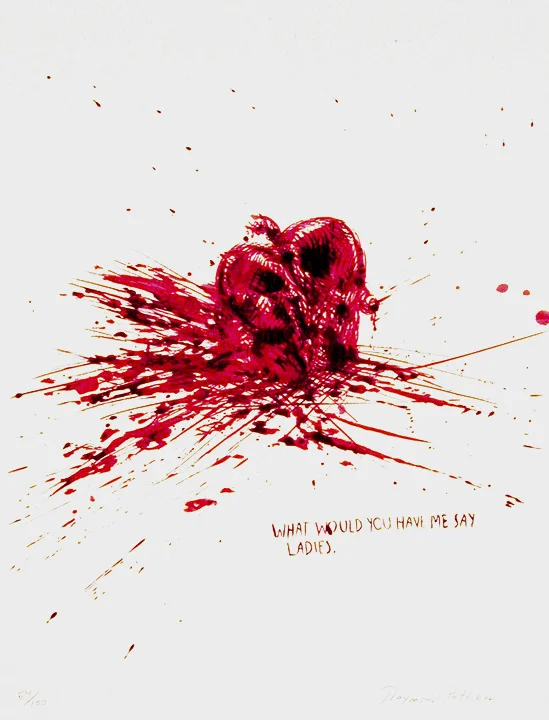
Raymond Pettibon, "Untitled (What would you have me say, ladies?)," 2002.
Edition of 100. Image credit: Brooke Alexander Gallery.
In the aftermath of Valentine's Day, a collection of reminders that almost no love in this industry lasts forever...
Read More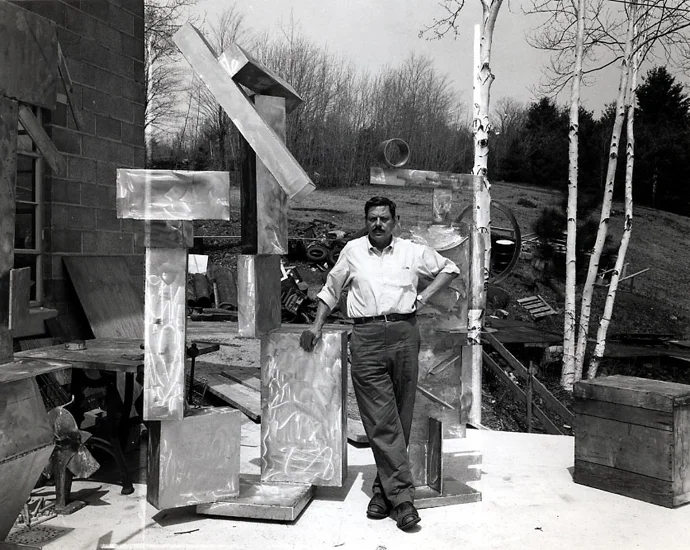
David Smith at his studio. Image credit: Phaidon.
One of the most difficult, yet most valuable, lessons I've ever learned is that you don't always get to decide what you are to other people. For example, I still remember realizing in my first year of college that I would never be considered an ice-cold, chrome-smooth, James Bond-type man's man. It just wasn't my nature, and I was only knee-capping myself by trying to make the world see me that way. When I started to embrace what I thought were my genuine positive traits––regardless of how they exploded my chances at the 007 ideal––things got better.
This same hard but important truth applies to the professional realm, especially for fine artists. Yes, acknowledging your nature is crucial to unearthing a compelling style, approach, and narrative. But despite the myth of the artist as enlightened seeker kicking herself free of the corporate world, it's just as crucial to accept that, like it or not, unavoidable parts of civil society will still view artists' all-consuming quests as one thing and one thing only: a business.
Read More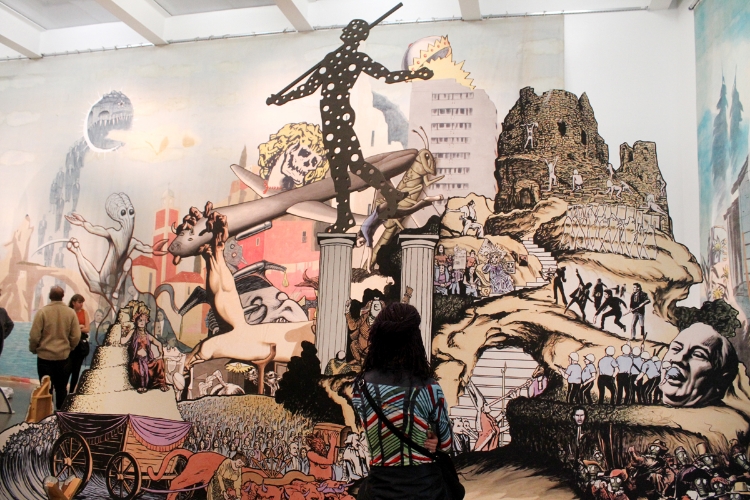
Jim Shaw, "Labyrinth: I Dreamt I Was Taller Than Jonathan Borofsky" (detail), 2009.
Image credit: Art Observed.
This week, let's gather around a campfire where each story is more incredible than the last...
Read More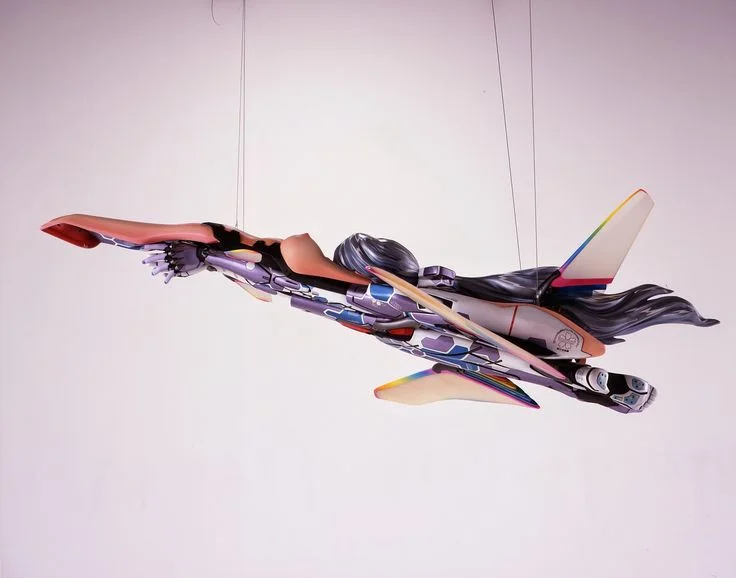
Takashi Murakami, "Second Mission ko2, Advanced (Jet Airplane Type)" (1999-1007). Image credit: Pinterest.
Re-assembling the key pieces from a week of change...
Read More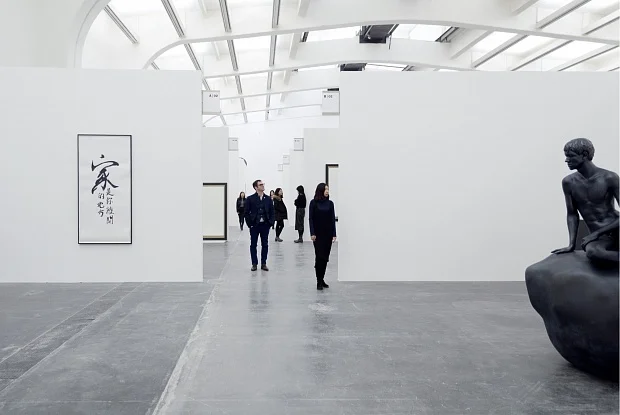
Elmgreen & Dragset, "The Well Fair," installation view, 2016. Image credit: The Art Newspaper.
Despite the explosive growth of art fairs in recent years, many, if not most, dealers still tend to view them as something like colonoscopies: drawn-out, unpleasant experiences that they nevertheless have to endure to guarantee their health. Plenty of others in the industry also bemoan the circuit's reliance on "art-fair art"––the predictable mixture of branded artists and instant-impact work that dominates booths from New York to Beijing.
But even if there's value to both buyers and sellers in focusing on unsurprising inventory (as I've written before), is there more room for creativity in the standardized format of the art fair itself?
Read More
Jasper Johns, "Target with Four Faces" (1968). Edition of 100. Image credit: The Curated Object.
Because sometimes a clear theme emerges from the week's events, and sometimes the industry sprays itself in all directions...
Read More