Market Monday: Tech-Tac-Toe
Rafäel Rozendaal, Still from "think now move later . com," 2012. Image credit: Rafäel Rozendaal.
This week, a trio of stories lining up technological innovation with cultural economics...
Read Moreshining a light on the shadowy fine art industry

Rafäel Rozendaal, Still from "think now move later . com," 2012. Image credit: Rafäel Rozendaal.
This week, a trio of stories lining up technological innovation with cultural economics...
Read More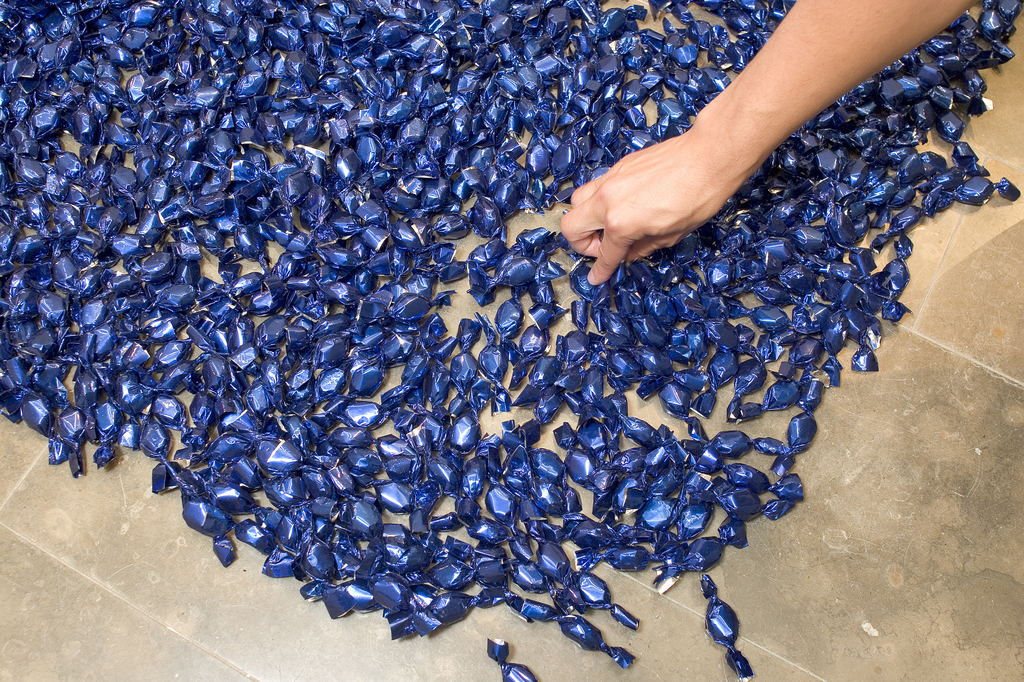
Felix Gonzalez-Torres, "Untitled (Placebo)," 1991. Image credit: Astrup Fearnley Museet.
After a week where no central theme emerged, offering up a random handful of morsels from around the industry...
Read More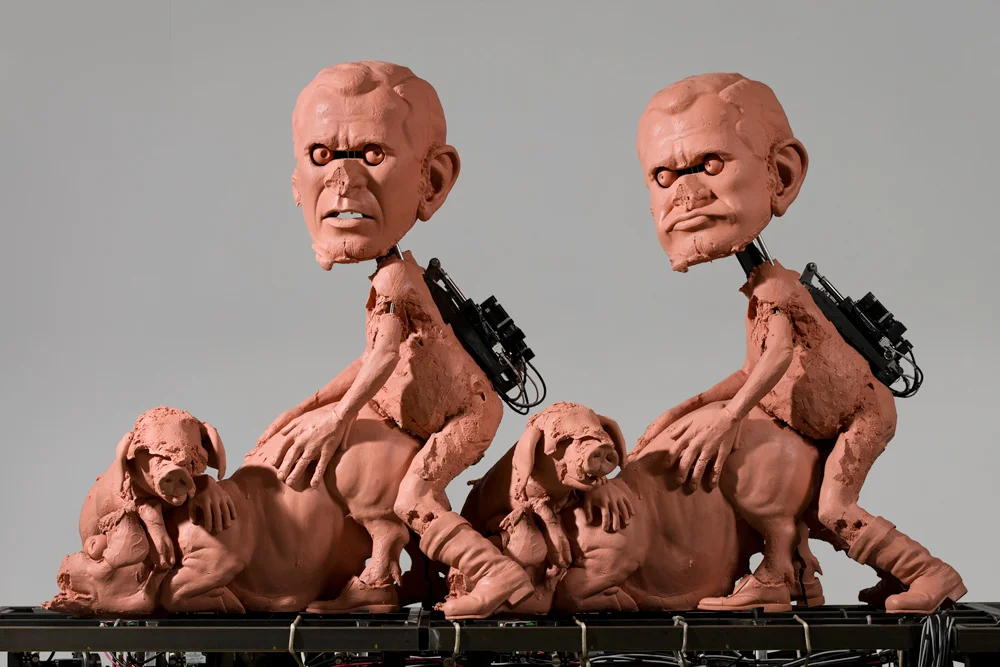
Paul McCarthy, "Train, Mechanical," 2003-2009. Image credit: Télérama.
Just ahead of Halloween, a collection of horror stories about the current state of the gallery sector...
Read More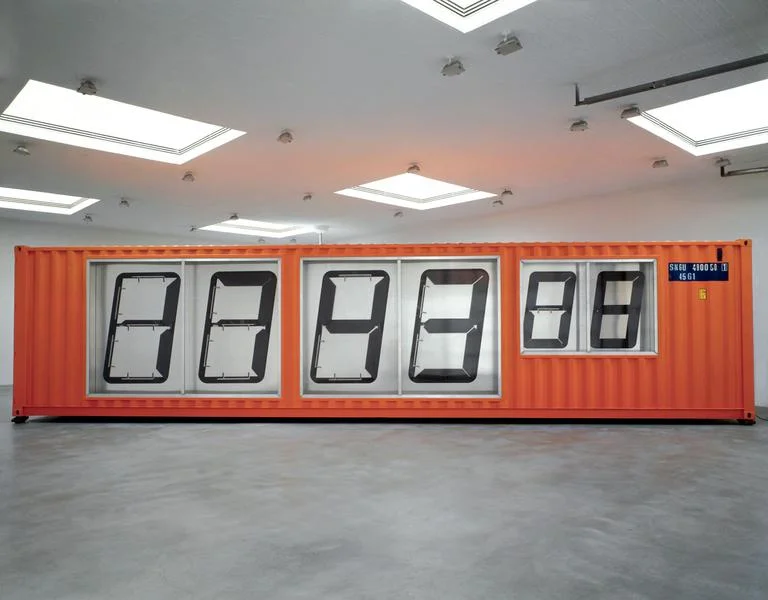
Darren Almond, "Meantime," 2000. Image credit: Matthew Marks.
Earlier this week, Christian Viveros-Fauné published the second chapter of his excellent deep-dive investigation "The Middle-Market Gallery Squeeze," which seeks to answer whether the sector's median is indeed under siege, as so many observers now attest––and if so, why. This time, he takes somewhat of a point-counterpoint approach to the prevailing narrative, offering almost equal page space to a trio of pessimists and a lone optimist. But as inclined as I normally am toward contrarian arguments, I think the data-based approach used by the latter fails the smell test––not because the numbers are false, but because they don't actually address the question that matters.
Read More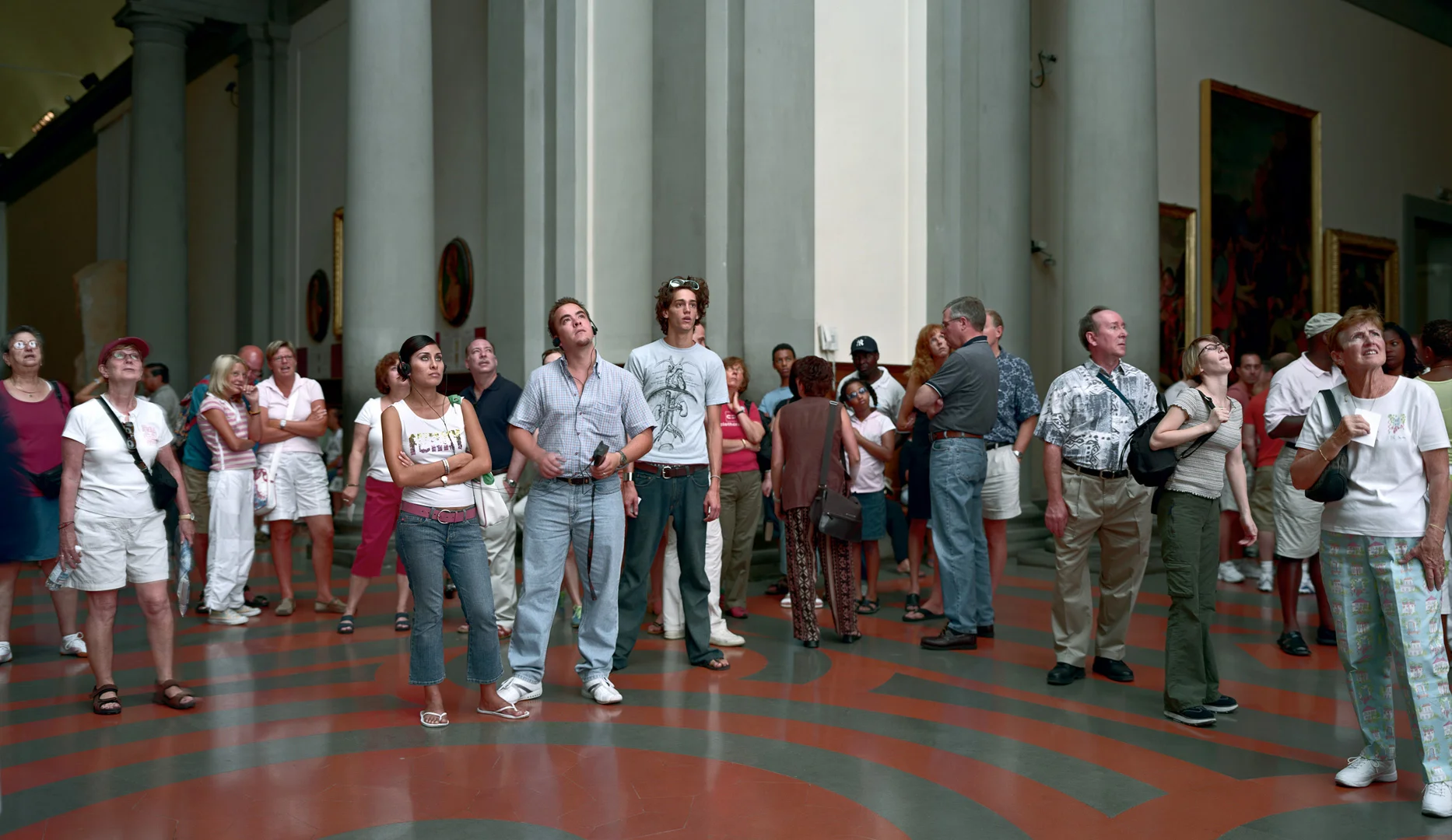
Thomas Struth, "Audience 5 (Galleria Dell'Accademia, Florenz)," 2004. Image credit: The Broad.
Recapping a week in which art served as a bridge across borders––but not always a sturdy or generous one...
Read More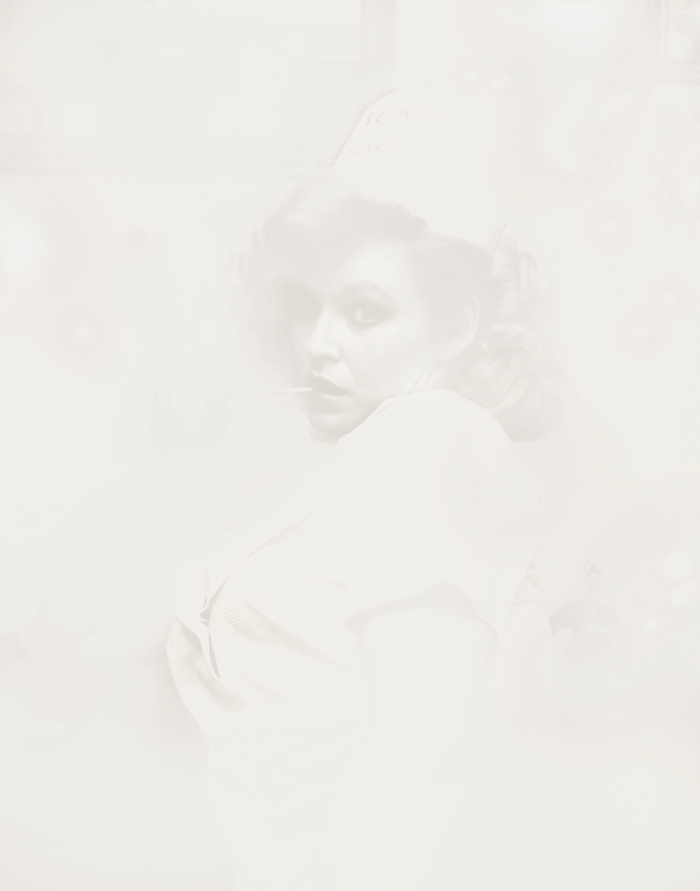
Zoe Crosher, "The Disappeared Nurse no. 14," 2012. Image credit: Zoe Crosher.
This week, stories about art's exposure to risk and the risk(?) of exposure to art...
Read More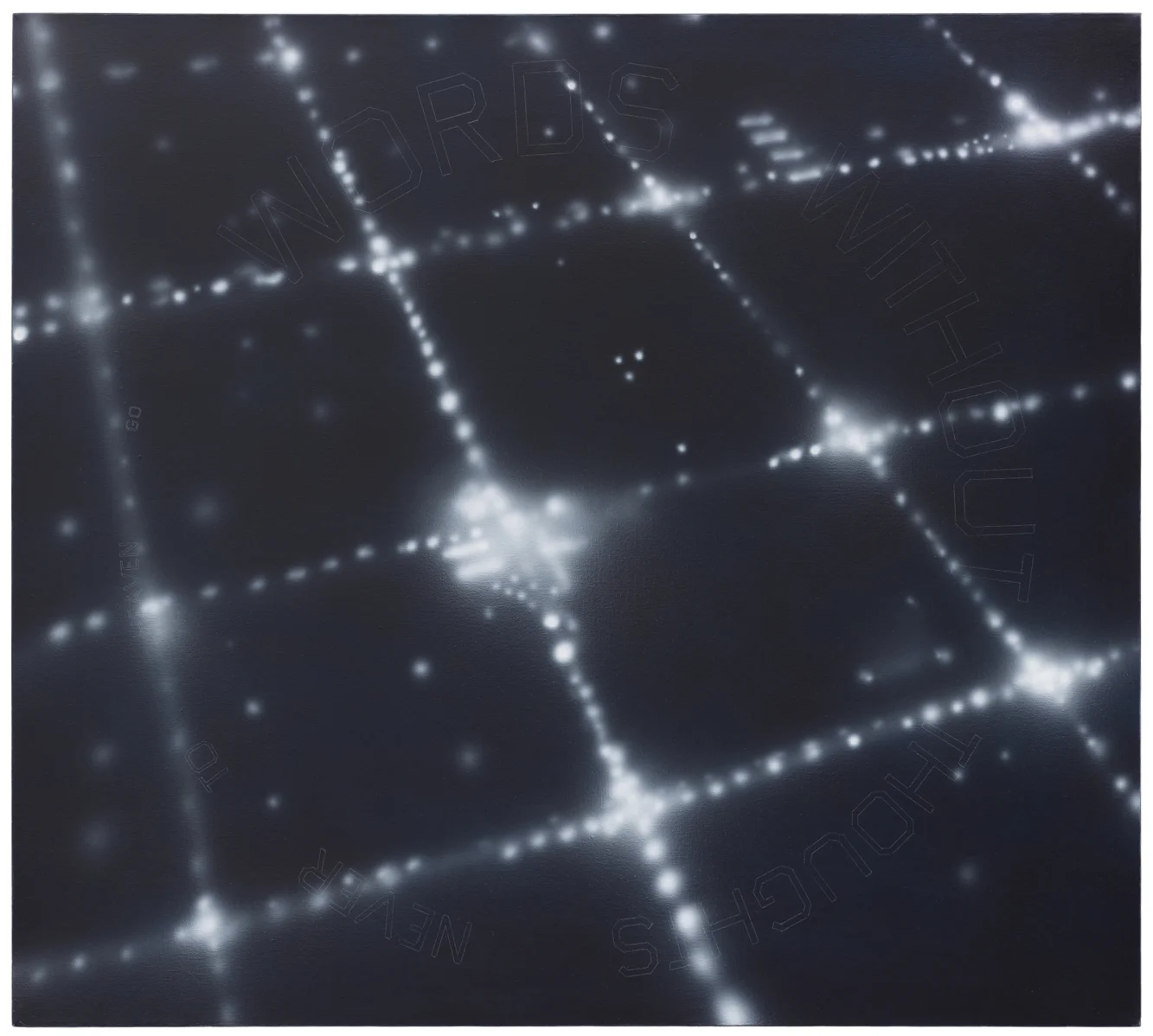
Ed Ruscha, "Words Without Thoughts," 1986. Image credit: MCA Chicago.
One of the problems with publicly declaring yourself a revolutionary is that it doesn't give you a lot of room to backpedal afterward. In the past few years, no one has worked harder to portray himself as the art world's Che Guevara than Stefan Simchowitz. Whether he's purporting to "initiate a paradigm shift" in the art industry, advertising that he "think[s] outside the box constantly," or blasting away at "the traditional [art] mafia," Simchowitz has machine-gun belted his brand to the narrative of disruption. But based on events this week and this past year, it's valid to ask how closely the reality of Simchowitz's business now matches the self-mythology––and, more important, what the answer means for the industry's future.
Read More
Tara Donovan, "Untitled (Styrofoam Cups)," 2008. Image credit: arch20.
This week, a quartet of stories reminding us that industry truths often defy first impressions...
Read More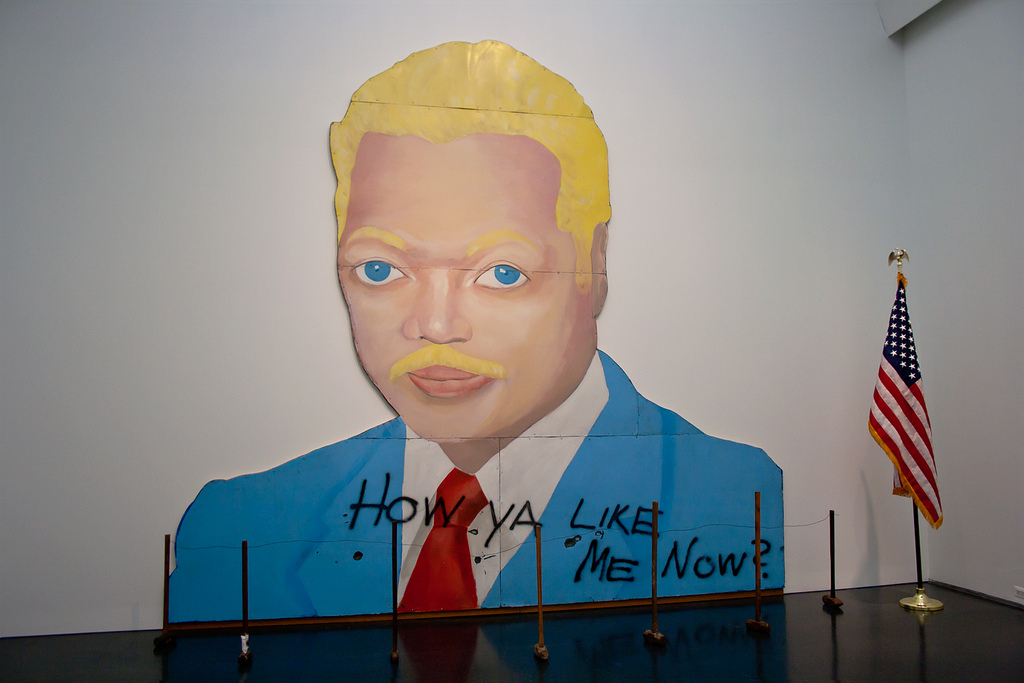
David Hammons, "How Ya Like Me Now?," 1988. Image credit: Broc Blegen.
This week, stories about relationship friction between artists and their sales agents, as well as between the industry and the bigger picture...
Read More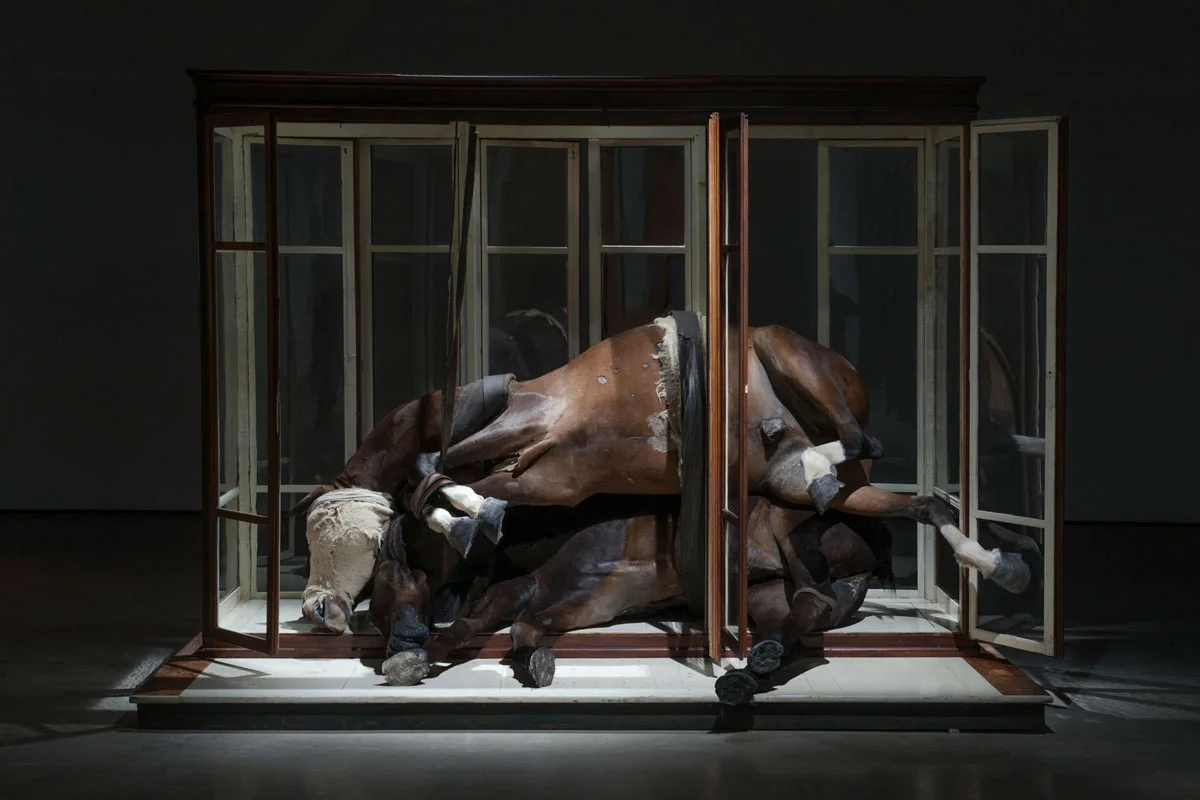
Berlinde de Bruyckere, "No Life Lost II, 2015," 2015. Image credit: ARTnews.
When trouble blooms like a corpse flower, it's rare for the people in charge to let on how bad the situation is, even if they know all too well. So usually the rest of us have to dig a little deeper to get to the root of the problem. And I believe this truism applies double to the recent announcements concerning a pair of midlevel art fairs making big changes: Art Berlin Contemporary and London's Art16.
Read More